



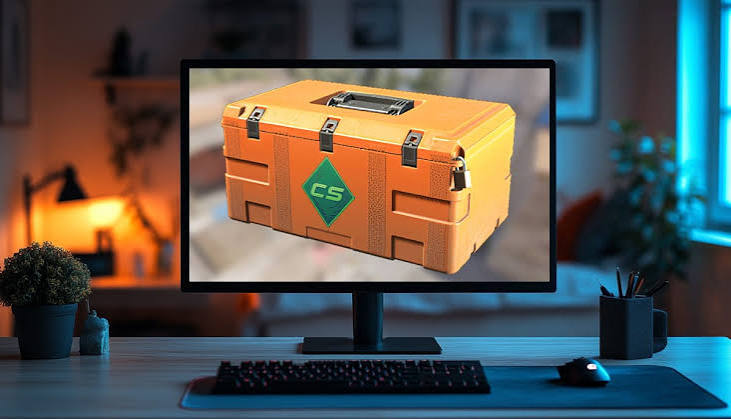
Every dedicated Counter-Strike player eventually watches a familiar container disappear from the active drop rotation. One week it shows up in your weekly rewards, and the next, it is gone for good. For anyone who collects or trades skiny cs2, this disappearance is one of the most significant turning points in the entire item economy. When a case is vaulted, the rules governing supply, scarcity, and price begin to change, and the skins inside can behave differently than they did the day before.
What It Means When a Case Gets Vaulted
Vaulting describes the moment Valve pulls a weapon case out of the active drop pool. Once this happens, new copies stop arriving through weekly rewards, and the container reaches players through existing inventories and the secondary market. Older cases such as Horizon, Spectrum 2, and Chroma 3 were each taken out of regular circulation this way, as catalogued by the community-maintained CSGO Database, and Valve has steadily retired more of the back catalog since. The effect is that the copies already in players’ hands are all there will ever be.
How Reduced Supply Affects Price
A common assumption is that vaulting automatically inflates prices, but the reality is more nuanced. Here are factors that drive the result:
- Supply tightens. With no new containers entering circulation, every case opened or consumed permanently shrinks the available count.
- Demand sets the direction. Scarcity alone means little without buyers. A vaulted case nobody wants stays cheap, while one collectors covet climbs steadily.
- The contents carry the weight. Containers holding desirable knives, gloves, or iconic finishes appreciate fastest, because their appeal outlasts the drop pool.
The Operation Bravo Case is a clear example. Long discontinued, it remains highly sought after because it holds the legendary AK-47 Fire Serpent, and the case changes hands for many times its original cost, as tracked by skin databases such as Total CS.
Why Not Every Vaulted Case Rises
Vaulting is not an automatic payday. Some discontinued collections appreciate sharply, while others barely move. Community sentiment, nostalgia, and the visual appeal of the skins inside steer the outcome. Two containers with identical drop odds can follow opposite price paths based on how players feel about their contents. Reading a vault as a sure thing overlooks how much demand drives the market.
Putting Vaulting Knowledge to Work
The harder part is acting on all this in real time. Knowing which cases have been vaulted takes attention, since Valve rarely announces the changes, and players usually learn of them through community trackers. Timing is also tricky. Deciding whether to open, hold, or trade a container before sentiment moves is rarely obvious. And as an inventory grows, staying organized enough to spot an opportunity becomes a job in itself.
Keeping everything in one place makes that workload manageable. GudDrop gives players a space to track what they own and see how each new acquisition fits the bigger picture, while its reward-based model adds another route to pick up items once a prized case no longer drops. Rather than working from scattered spreadsheets and price checkers, a collector can follow their inventory and explore new skins side by side.
Reading the Market with Clear Eyes
Vaulting is one of the few moments when the supply side of the Counter-Strike economy changes, and the players who understand it can make calmer, better-informed choices. The key is remembering that scarcity and demand work together, that the contents drive the value, and that no outcome is ever certain. For collectors building a library of skiny cs2, a platform like GudDrop keeps that ongoing process clear and manageable. Watch which cases leave the pool, weigh demand honestly, and you will be ready before the next container disappears.